
Capsular contracture occurs when the scar tissue that naturally forms around breast implants becomes thick and tight. Think of it like a sweater that shrinks in the dryer – the fabric contracts and becomes restrictive.
When you receive breast implants, your body naturally creates a thin capsule of scar tissue around the implant. This is completely normal and expected. However, in some cases, this capsule becomes thicker and begins to contract, squeezing the implant and causing various symptoms.
Who Is at Risk?
Capsular contracture can affect any woman with breast implants, regardless of:
- The type of implant (silicone or saline)
- Implant placement (above or below the muscle)
- How long you’ve had your implants
- Your age or lifestyle
While certain factors may slightly increase risk, such as smoking or bacterial contamination during surgery, capsular contracture can occur even with perfect surgical technique and ideal healing conditions.
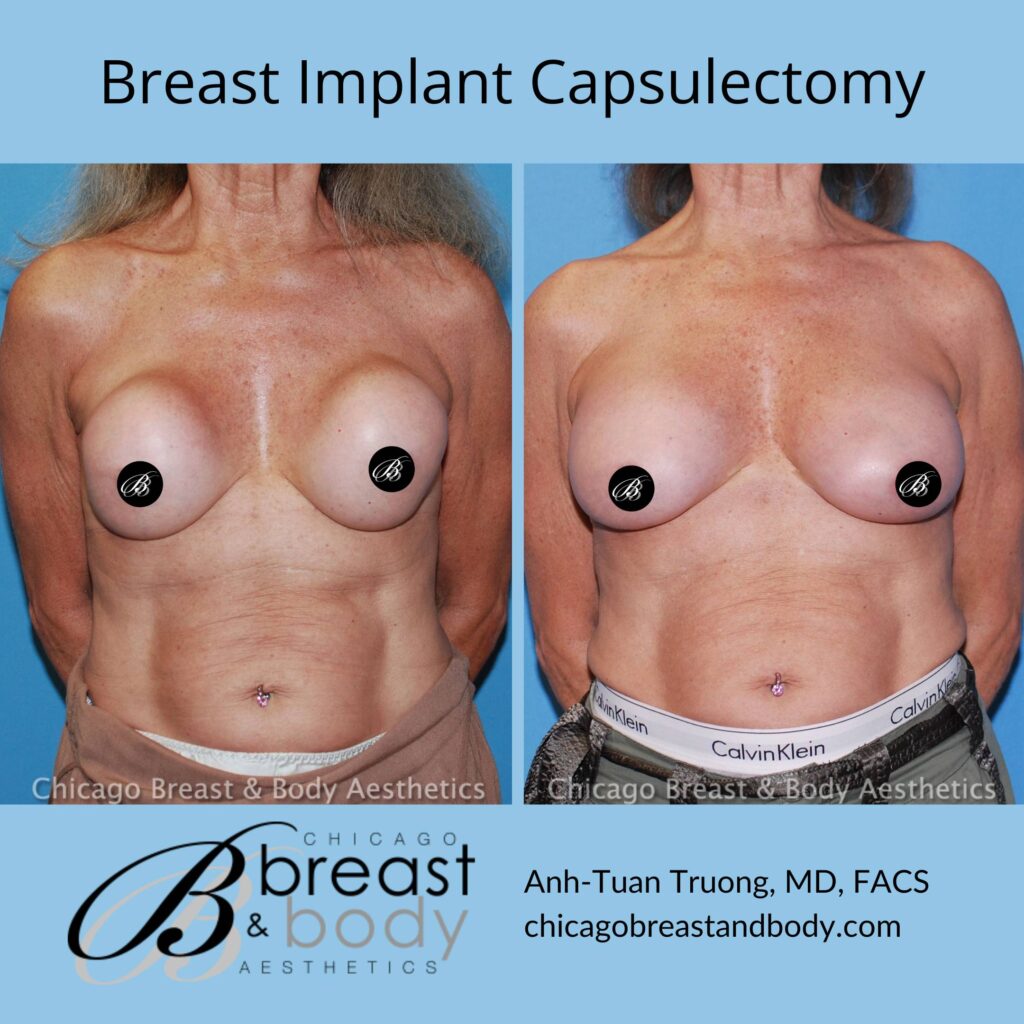
Common Signs and Symptoms
Early Signs:
- Gradual firmness in one or both breasts
- Slight changes in breast shape
- Mild discomfort or tightness
Advanced Symptoms:
- Implant shifting to an unnatural position
- Significant breast firmness or hardness
- Visible distortion of breast shape
- Pain or discomfort, especially when lying down
- Asymmetry between breasts
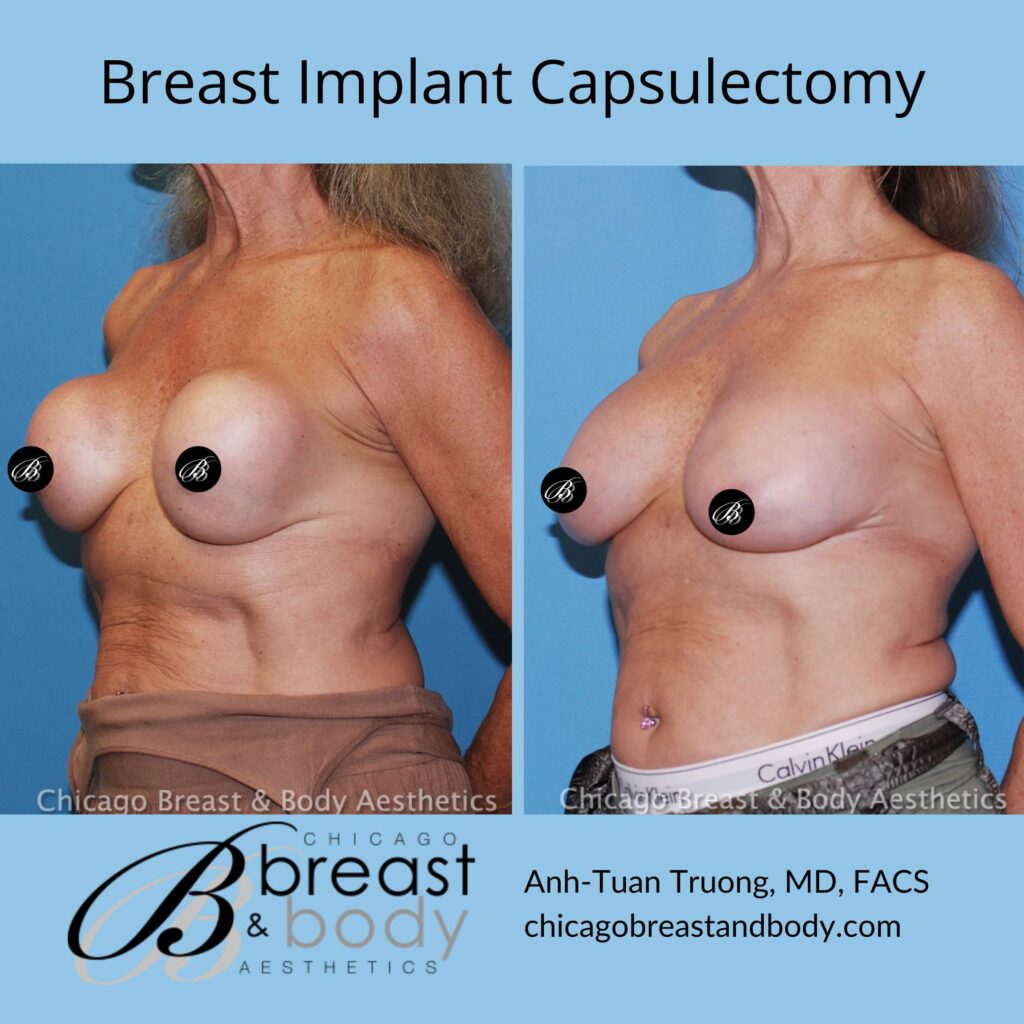
Surgical Correction: Capsulectomy
For more severe cases (Grade III-IV), surgical intervention provides the most effective solution:
Complete Capsulectomy:
- Complete removal of the thick scar tissue capsule
- Thorough cleaning of the implant pocket
- Option to replace implants if desired
- Techniques to reduce recurrence risk
Partial Capsulectomy:
- Removal of the thickest portions of the capsule
- Release of contracture bands
- Less extensive procedure for specific cases
How common is capsular contracture?
Capsular contracture affects approximately 10-15% of women with breast implants over 10 years. The risk varies based on multiple factors, but it’s a well-recognized and treatable complication.
Can capsular contracture come back after treatment?
While recurrence is possible, modern surgical techniques significantly reduce this risk. Our experience and advanced methods help ensure long-lasting results.
How long should I wait before seeking treatment?
Don’t ignore concerning symptoms. Early evaluation allows for better treatment planning and potentially less extensive intervention.
How do I prevent capsular contracture in the future?
While not entirely preventable, following post-operative instructions, maintaining good hygiene, and regular follow-up appointments help minimize risk.
Ready to take the next step?
If you’re considering a cosmetic procedure, our Chicago Breast and Body team is here to guide you with expert care and personalized recommendations.
Schedule your virtual or in-person consultation here or call or text us at (312) 846-1529 to book your appointment today.
Patient Photo Gallery
See real before and after photos from Dr. Truong and Dr. Lin at Chicago Breast and Body Aesthetics.