
Q: If I’ve had keloid scars in the past, am I a candidate for Aveli? Are there ways to minimize the chance of scar occurrence?
A A history of keloid scarring doesn’t automatically rule you out as a candidate for Aveli, but it does require careful consideration. While Aveli involves very small incisions, individuals prone to keloids do have a higher risk of developing thickened or raised scars, even from minor procedures.
Aveli and Keloid Scars: What You Need to Know Before Treatment in Chicago
If you’ve had keloid scars in the past, it’s completely understandable to question whether you’re a good candidate for Aveli. Many women throughout Chicago and Illinois who are exploring cellulite treatments have similar concerns, especially if their skin has reacted strongly to even minor procedures.
What Is Aveli?
Aveli is a minimally invasive, FDA-cleared procedure designed to treat cellulite by targeting the underlying structural cause. During the treatment, your provider uses a small device to release the fibrous bands beneath the skin that create the dimpled appearance commonly associated with cellulite.
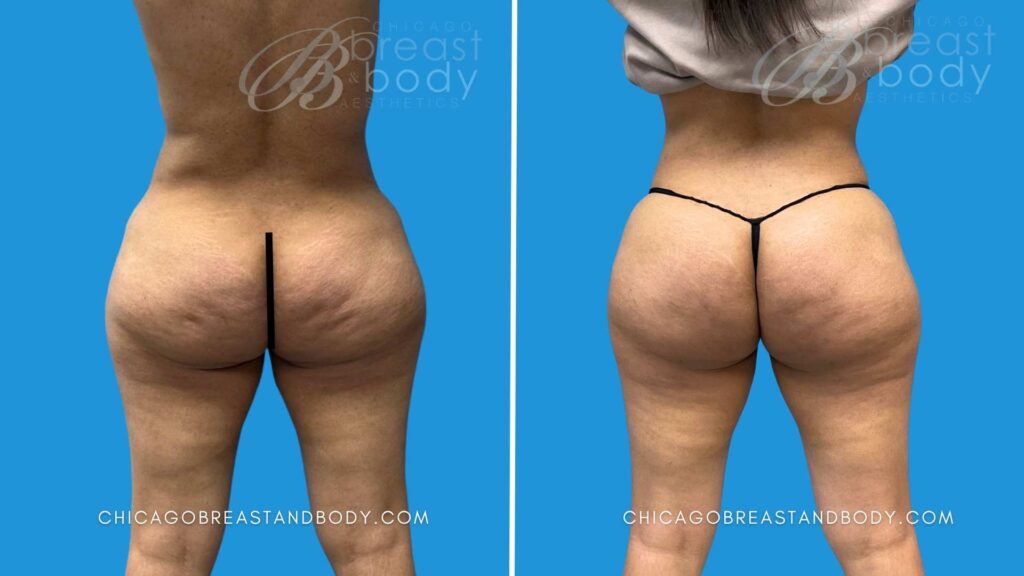
While the procedure involves very small incisions, any break in the skin can be a concern for those who are prone to keloid scars.
What Are Keloid Scars?
Keloids are raised, firm scars that extend beyond the original site of injury. Unlike regular scars, keloids continue to grow over time and may become thick, uncomfortable, or visibly prominent. They tend to occur more frequently in individuals with darker skin tones and can form after even minor skin trauma, such as piercings, insect bites, or surgical incisions.
Does a History of Keloids Mean I Should Avoid Aveli?
Not necessarily. A history of keloid scarring does not automatically exclude you from undergoing Aveli, but it does require thoughtful planning. Your provider will evaluate your skin type, history of scarring, and the specific areas being treated to determine if Aveli is an appropriate and safe choice for you.
Scar Management Tips After Aveli
Experienced providers in Chicago take special precautions when treating patients with a known history of keloid scarring. The goal is to support proper healing and minimize any risk of excessive scar tissue forming.
Here are a few common preventive strategies:
Silicone Scar Therapy
Silicone-based products, such as gel or adhesive sheets, are widely used to reduce the likelihood of raised or thickened scars. They help keep the area hydrated and protected during the healing process.
Steroid Creams or Injections
Topical corticosteroids or steroid injections can be used either during healing or at the first signs of abnormal scar tissue. These treatments help suppress inflammation and reduce collagen buildup that contributes to keloid formation.
Gentle Wound Care
Following strict aftercare guidelines is important. Keep the incision area clean, avoiding sun exposure, and limiting tension on the skin while it heals.
Follow-Up
We will monitor your healing progress closely. If any signs of abnormal scarring appear, early scar treatment can significantly improve and prevent scarring.
Ready to take the next step?
If you’re considering a cosmetic procedure, our Chicago Breast and Body team is here to guide you with expert care and personalized recommendations.
Schedule your virtual or in-person consultation here or call or text us at (312) 846-1529 to book your appointment today.