
★★★★★ 700+ five-star reviews across Google, RealSelf & Healthgrades Board-certified surgeons, AAAHC-accredited surgical center
Non-surgical body contouring
alloClae Body Contouring in Chicago
Natural volume. No surgery. No general anesthesia. Real tissue, not filler.
Short form, no obligation. In-person or virtual consults available.

- 700+ five-star reviews across Google, RealSelf & Healthgrades
- #1 Voted Plastic Surgery Clinic in Chicago, trusted nationwide
- AAAHC accredited surgical center
- Board-certified cosmetic and plastic surgeons
Medically reviewed by Dr. Anh-Tuan Truong, MD, FACS, FAACS and Dr. Kevin Lin, MD. Last reviewed September 2026.
alloClae quick facts
An injectable treatment that uses donor fat tissue, screened and processed under FDA and AATB protocols, to add volume where you want more shape: hip dips, buttocks, breasts, or contour irregularities. It integrates with your own tissue over three to six months. One appointment, local anesthesia, minimal downtime.
- Treatment type
- Non-surgical injectable
- Anesthesia
- Local anesthesia
- Treatment time
- 1 to 2 hours
- Recovery
- Minimal, 1 to 2 weeks swelling
- Results timeline
- 3 to 6 months as tissue integrates
- Treatment areas
- Hip dips, buttocks, breasts, contour correction
Details confirmed in consultation. Individual plans and timelines vary.

What is alloClae?
alloClae is a non-surgical injectable body contouring treatment that uses processed allograft adipose tissue to restore or add natural volume to targeted areas of the body. Unlike liposuction, which removes fat, alloClae adds it, without surgery or general anesthesia.
We offer alloClae body contouring in Chicago, and our board-certified surgeons bring the training and body contouring expertise to plan for precise, natural-looking results.
- What it is
- An FDA-regulated human tissue product
- What it is not
- A dermal filler or a drug
How allograft tissue works
The word “allograft” means tissue transferred from a donor to a recipient. This is not new science. Allograft tissue has been used in medicine for decades.
alloClae applies the same tissue banking technology to body contouring. Donor adipose (fat) tissue is carefully screened, processed, and sterilized through protocols regulated by the FDA and the American Association of Tissue Banks (AATB). The processing removes cellular material while preserving the tissue’s natural structure, so your body can recognize and integrate it as its own.
Because alloClae is real human tissue, it behaves differently than synthetic fillers. Rather than sitting as a foreign material, the processed tissue is designed to integrate with your own, supporting natural volume that can develop and settle over the months following treatment.
Patient experience
“Dr. Truong took the time to listen to my goals and explained every detail of the procedure with honesty and patience.”
Jennifer Puentes · Google review
Why choose Chicago Breast and Body for alloClae?
alloClae is a technique-dependent treatment. The product matters, but who places it matters more. At Chicago Breast and Body, alloClae treatments are performed by two board-certified surgeons with deep expertise in body contouring.
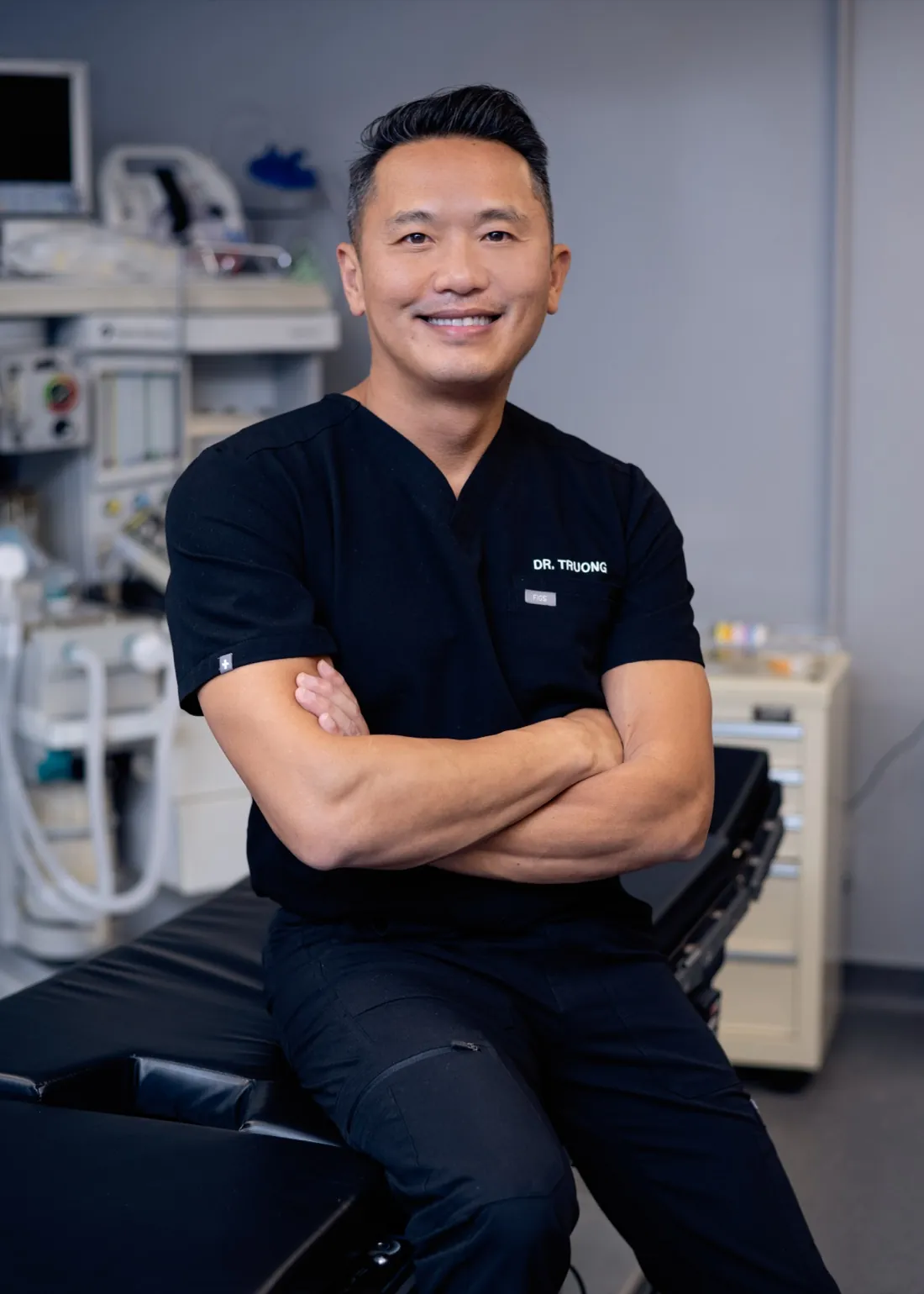
Dr. Anh‑Tuan Truong
Triple board-certified cosmetic surgeon
Recognized leader in body contouring, breast surgery, and Brazilian butt lifts, with thousands of procedures behind him. Named a Consumers’ Research Council top surgeon, one of Chicago’s Top 10 Surgeons, and a member of the Dr. Miami Squad.
American Board of Surgery · American Board of Cosmetic Surgery · American Board of Facial Cosmetic Surgery · American College of Surgeons · American Academy of Cosmetic Surgery
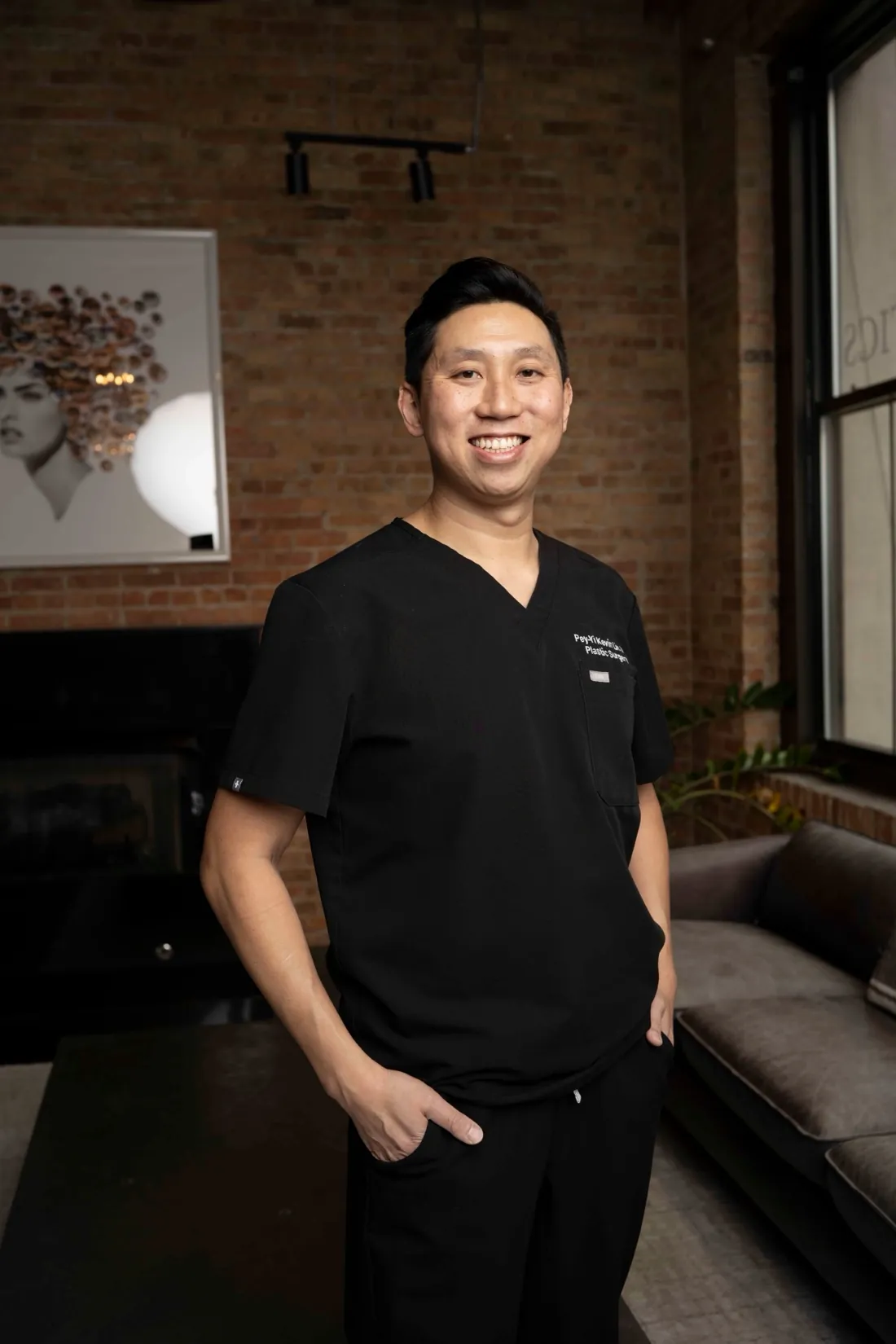
Dr. Kevin Lin
Board-certified plastic surgeon
Specializes in technique-driven body contouring and breast surgery with a focus on proportional, natural-looking results. Member of the Dr. Miami Squad.
American Board of Plastic Surgery · American College of Surgeons · American Society of Plastic Surgeons








Candidacy
Who should consider alloClae?
You may be a good candidate if you:
- Want to add volume to your hips, buttocks, or breasts but lack sufficient donor fat for a traditional fat transfer
- Want buttock or hip enhancement without the surgery and recovery of a Brazilian butt lift
- Prefer a non-surgical option with minimal downtime
- Want modest, natural-looking results that develop gradually
- Are looking for contour correction after a prior procedure left irregularities or asymmetry
- Are at or near a stable weight and in overall good health
You may want to consider alternatives if you:
- Have sufficient donor fat and are open to surgery. A Brazilian butt lift or autologous fat transfer may offer more dramatic, longer-lasting results for patients with adequate fat to harvest.
- Want very large-volume augmentation. alloClae is designed for targeted contouring, not dramatic size changes. Implants or surgical fat transfer may be more appropriate for patients seeking a significant increase.
- Expect significant results from a single session. Some patients need more than one treatment to reach their goals, and results develop gradually over months.
- Have certain autoimmune conditions or healing concerns. Your surgeon will review your full medical history during your consultation.
Setting expectations
What alloClae can and can’t do
What alloClae can help with:
- Adding natural volume to hip dips for a smoother silhouette
- Enhancing buttock shape and projection without surgery
- Providing a modest, natural-looking increase in breast volume without implants
- Correcting contour irregularities or symmetry concerns from prior procedures
- Improving body proportions in patients who lack sufficient donor fat for surgical fat transfer
- Offering a non-surgical option with minimal downtime compared to a BBL or implant surgery
What alloClae typically cannot do on its own:
- Replace a Brazilian butt lift for patients wanting large-volume buttock augmentation
- Produce results equivalent to breast implants for patients wanting a significant size increase
- Guarantee permanent results; longevity varies by patient, treatment area, and volume
- Address skin laxity, loose skin, or cellulite (these may require separate treatments)
- Deliver final results immediately; tissue integration develops over 3 to 6 months
Why choose this treatment
Benefits of choosing alloClae
If you have been told you do not have enough fat for a transfer, or you want meaningful results without the recovery of surgery, alloClae was designed for exactly your situation.
No surgery required
alloClae is an injectable treatment. No incisions, no general anesthesia, no operating room.
Minimal downtime
Most patients return to daily activities within a few days. No compression garments, no surgical drains, no weeks of restricted movement.
No donor fat needed
Unlike a BBL or fat transfer, alloClae does not require liposuction to harvest your own fat, an option for patients who are naturally lean.
Real tissue, not synthetic filler
Processed human adipose tissue, not a hyaluronic acid filler or a synthetic implant. It is designed to integrate with your body’s own tissue.
Natural-looking results
Because the tissue integrates gradually, results develop over weeks and months, producing volume that looks and feels natural.
Targeted precision
Your surgeon can place alloClae in specific areas to improve contour, correct asymmetry, or add shape exactly where it is needed.
Office-based procedure
Treatments are performed in-office under local anesthesia. No hospital stay, no overnight recovery.
Versatile treatment areas
Hip dips, buttock enhancement, breast augmentation, and contour correction, all in a single office visit.
How long do results last?
Because alloClae is a relatively new treatment in the body contouring space, long-term longevity data is still developing. In our clinical experience, successfully integrated tissue may provide long-lasting volume, but individual results vary based on the treatment area, volume placed, your body’s integration response, and lifestyle factors. Your surgeon will discuss realistic expectations for your specific goals during your consultation.
How alloClae works
Consultation and planning
Your surgeon evaluates your anatomy, discusses your goals, and determines the treatment areas and estimated volume needed. Photographs and measurements guide the treatment plan.
Preparation
The area is cleaned and local anesthesia is administered to ensure comfort. The alloClae tissue product is prepared according to manufacturer protocols.
Injection
Using specialized cannulas, your surgeon precisely places the processed tissue into the targeted area, controlling depth, distribution, and layering to create smooth, natural volume.
Post-treatment
The area may be lightly dressed. You will receive aftercare instructions and can typically leave the office within 30 minutes of completing the procedure.
How we figure out what you need
Not every patient needs the same approach, and alloClae is not always the right first step. During your consultation, Dr. Truong or Dr. Lin will assess three things.
- Your anatomy
- Where do you want more volume or better shape, and how much tissue is needed to reach your goal? Hip dips may need less volume than buttock augmentation.
- Your donor fat
- If you have sufficient donor fat and are open to surgery, a traditional fat transfer or BBL may produce more dramatic, longer-lasting results.
- Your timeline
- Results develop gradually over 3 to 6 months. If you are looking for immediate, dramatic change, a surgical option may be a better fit.
This is not a one-size-fits-all treatment. The consultation exists to make sure we are recommending the right procedure, not the one you came in asking about.
Book a ConsultationNot sure if you are a candidate? Start with a virtual consultation to discuss your goals before committing to an in-person visit.

Where it works
Treatment areas
Hip dip correction
Many patients describe hip dips as the one area that never responds to exercise, and they are right. The concavity between the hip bone and upper thigh (sometimes called “violin hips”) is caused by bone structure, not body fat. alloClae hip dip correction adds volume to this area to create a smoother transition from waist to thigh.
Buttock enhancement
A BBL is not the only option. For patients who want to add volume and projection to the buttocks without surgery, alloClae can enhance shape and fullness without liposuction, general anesthesia, or the extended recovery of surgical fat transfer. Results are more subtle than a BBL, which makes it a better fit for a modest, natural enhancement.
Breast augmentation
alloClae breast augmentation can provide a modest, natural-looking increase in breast volume without implants or surgery. The increase is typically modest (approximately half a cup size or less per session), so patients wanting a significant size change may be better served by implants or surgical fat transfer to breasts.
Contour correction
Previous procedures do not always leave a smooth result. alloClae can refine and smooth contours for patients with irregularities from prior liposuction, fat transfer, or other body contouring, as well as those with natural symmetry concerns or localized volume loss.
Addressing your questions
Common concerns about alloClae
These are the six questions that come up in nearly every alloClae consultation. We answer them the same way in person as we do here.
“Is it safe to use donor tissue for body contouring?”
Allograft tissue has been used in medicine for decades. Orthopedic surgeons use donor tissue to reconstruct ACLs. Dentists use donor bone grafts for dental implants. Burn specialists use donor skin grafts to help patients heal. alloClae applies the same well-established tissue banking science to body contouring. The tissue is screened, processed, and sterilized under FDA regulation and AATB standards.
“Why is alloClae so expensive?”
The cost reflects the regulated process behind it: donor screening, tissue processing, sterilization, quality testing, and cold-chain storage. It is not comparable in cost to dermal fillers or off-the-shelf injectables because it is not the same product category. The tissue moves through the same regulated pipeline used for surgical bone grafts and ACL reconstruction grafts. During your consultation, your surgeon will discuss the volume needed for your goals and provide a clear cost estimate.
“Will it look natural, or will people be able to tell?”
alloClae is designed to integrate with your own tissue, which means results develop gradually over weeks and months rather than appearing overnight. The volume builds naturally as the tissue integrates, which typically produces results that look and feel like your own body. Natural but noticeable is exactly the goal.
“How is this different from filler?”
Dermal fillers are synthetic gels (typically hyaluronic acid) designed primarily for facial use. alloClae is processed human adipose tissue designed for body contouring. The tissue structure, regulatory classification, integration mechanism, and intended use are all different. Unlike fillers that may require repeat treatments every 6 to 12 months, alloClae is intended to provide longer-lasting volume, though long-term data is still developing.
“Are there many surgeons who offer this?”
alloClae is a newer treatment and not widely available. The number of surgeons trained and experienced in alloClae placement is still relatively small. At Chicago Breast and Body, both Dr. Truong and Dr. Lin perform alloClae treatments, which means shared clinical experience and collaborative treatment planning.
“What if my body doesn’t accept the tissue?”
Tissue non-integration is uncommon but possible. Because the processing removes cellular material that could trigger rejection, the treated tissue is designed to be well-tolerated. In rare cases, the body may not fully integrate all of the placed volume, which can result in less lasting volume than expected. Your surgeon will discuss this possibility during your consultation.
Recovery
Recovery and what to expect
Day 0 to 1
Mild soreness, swelling, and possible bruising at the treatment site. Most patients manage comfort with over-the-counter medication. You can return home the same day.
Days 2 to 3
Swelling typically peaks. The treated area may feel firm or slightly swollen. Most patients return to desk work and light daily activities.
Week 1
Bruising begins to fade and swelling starts to improve. Avoid strenuous exercise and direct pressure on the treated area.
Weeks 2 to 4
Most visible swelling resolves. You may begin to see early contouring results, though the tissue is still integrating. Your surgeon will clear you for a gradual return to exercise.
Months 1 to 3
Tissue integration progresses. Volume and shape continue to develop and refine. Results become more visible as swelling fully resolves.
Months 3 to 6
Final results typically emerge during this window. The integrated tissue settles into its natural position and the treated area should look and feel like your own body.

Every patient’s recovery is slightly different. Swelling is not linear; some days will look better than others. Trust the timeline your surgeon gives you and attend your follow-up appointments.
Safety information
Risks and safety
Every medical procedure carries some level of risk. alloClae is minimally invasive, but you should understand the potential side effects before making a decision.
Common and expected
- Swelling at the treatment site, typically resolving within 1 to 2 weeks
- Bruising, typically resolving within 1 to 2 weeks
- Mild soreness or tenderness for several days
- Temporary firmness in the treated area
- Minor asymmetry during healing, which may self-correct as swelling resolves
Less common
- Infection at the injection site (rare; managed with antibiotics if it occurs)
- Tissue non-integration, where the body does not fully incorporate all placed volume (rare)
- Persistent asymmetry that may require a follow-up treatment
- Prolonged swelling beyond the typical timeline
- Nodule or lump formation (rare; may resolve on its own or require intervention)
Investment
How much does alloClae cost?
Because alloClae is a specialized tissue product with regulated processing, the investment is higher than dermal fillers but typically lower than surgical body contouring procedures like a BBL. Unlike fillers that require repeat treatments every 6 to 12 months to maintain results, alloClae is intended to provide longer-lasting volume, though long-term data is still developing, which can change the long-term value calculation.
- Treatment area
- Hip dips, buttocks, breasts, and contour correction each require different volumes and techniques.
- Volume needed
- The amount of tissue required depends on the size of the treatment area and your goals. Larger areas require more product.
- Number of sessions
- Some patients achieve their goals in a single treatment. Others benefit from a second session to refine results after the initial tissue has integrated.
- Surgeon expertise
- alloClae placement requires specialized training and experience in body contouring. The cost reflects a precise, technique-dependent procedure.
- Financing
- We offer financing options through CareCredit and Cherry for qualified applicants. Monthly payment plans can make treatment more accessible.
Request a personalized cost estimate during your consultation. We provide a detailed breakdown so you know exactly what is included before making any decisions.
Get My Exact QuotealloClae is an elective cosmetic procedure and is not covered by insurance.
Why choose our practice
Care that feels considered at every step.

AAAHC-accredited surgical facility
Surgery takes place in an on-site facility meeting the highest outpatient safety standards: the same accreditation required of hospital surgical centers. Patients are not sent to an outside operating room.
Named patient coordinators, not a call center
Each patient is assigned a dedicated coordinator who responds by call or text throughout the entire process. With the investment patients are making, the team goes above and beyond to make every step feel supported and personal.
Trusted by patients nationwide
We see patients from all over the country for body contouring procedures. Complimentary virtual consultations and virtual follow-ups make it easy to start and continue the process from anywhere.
Expert perspective
What our surgeons want you to know
“The most important part of an alloClae consultation is determining whether it is the right tool for your goal. Some patients come in asking for alloClae specifically, but their anatomy and goals would be better served by a fat transfer or a BBL. We would rather recommend the right procedure than perform the one a patient saw on social media.”
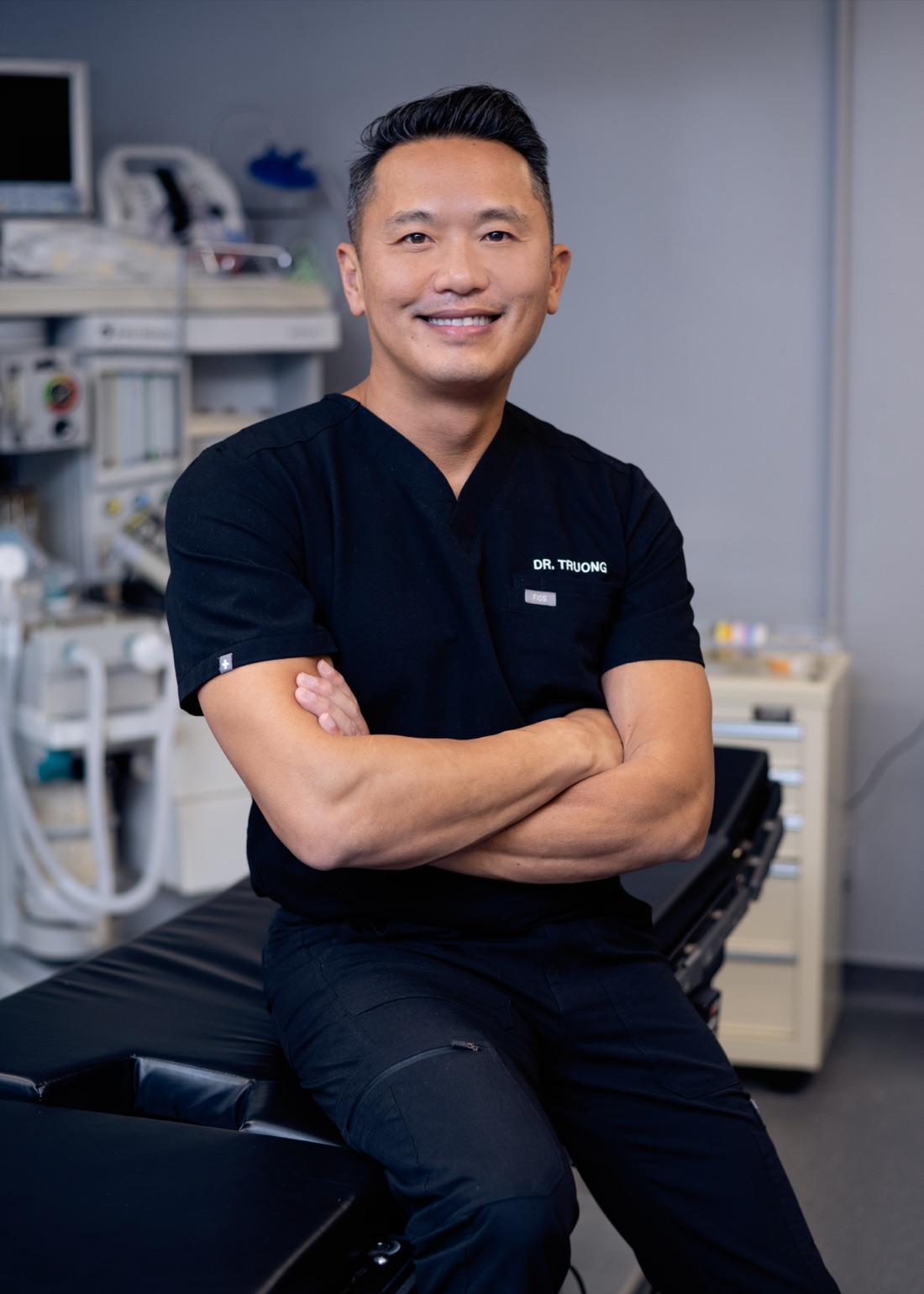
Dr. Anh-Tuan Truong, MD, FACS, FAACS
“alloClae fills a real gap for patients who want body contouring but are not candidates for surgical fat transfer. The key is understanding what it can realistically do. It is designed for targeted volume and contouring, not for dramatic change. Patients who come in with that understanding tend to be very satisfied with their results.”

Dr. Kevin Lin, MD

Frequently asked questions about alloClae
Is alloClae FDA-approved?
alloClae is not FDA-approved the way a drug or medical device is, because it is neither. It is an FDA-regulated human tissue product, processed and distributed under FDA regulations governing human cells, tissues, and cellular and tissue-based products (HCT/Ps). This is the same regulatory framework that governs bone grafts, skin grafts, and other allograft tissues used in surgery. It is sourced from AATB-accredited tissue banks with documented screening and processing standards.
Does alloClae hurt?
The treatment is performed under local anesthesia, so most patients report minimal discomfort during the procedure. You may feel pressure or mild sensation during injection, but pain is typically well-managed. After the procedure, mild soreness is common for a few days and can usually be managed with over-the-counter medication.
How long does an alloClae treatment take?
Most alloClae treatments take 1 to 2 hours depending on the treatment area and volume being placed. The procedure is performed in-office, and most patients leave within 30 minutes of completing their treatment.
How many sessions will I need?
Some patients achieve their goals in a single session. Others may benefit from a second treatment after the initial tissue has integrated (typically 3 to 6 months later) to add more volume or refine results. Your surgeon will discuss a realistic treatment plan during your consultation.
How long do alloClae results last?
Once the tissue fully integrates, results may last for years for some patients, but long-term longevity data for alloClae in body contouring is still developing, and longevity varies by individual, treatment area, and the body’s natural tissue remodeling process. Factors that can affect longevity include the volume placed, your body’s integration response, and weight fluctuations. Your surgeon can discuss realistic expectations during your consultation.
Can alloClae replace a BBL?
For patients wanting modest, targeted buttock enhancement and who lack sufficient donor fat, alloClae can be a meaningful alternative to a BBL. However, it typically cannot match the volume and projection that a surgical BBL produces. If you have sufficient donor fat and want significant augmentation, a BBL may be the better option. Your surgeon will help you determine which approach fits your goals.
Is alloClae the same as dermal filler?
No. Dermal fillers are synthetic gels (typically hyaluronic acid) designed primarily for facial use. alloClae is processed human adipose tissue designed for body contouring. The tissue structure, regulatory classification, integration mechanism, and intended use are all different. alloClae is regulated as a human tissue product, not as a drug.
What is the recovery like after alloClae?
Recovery is minimal compared to surgical body contouring. Most patients return to daily activities within 2 to 3 days. Swelling and bruising are common in the first 1 to 2 weeks and resolve gradually. Strenuous exercise is typically restricted for about 2 weeks. There are no compression garments, no surgical drains, and no extended sitting or sleeping restrictions.
How is the donor tissue screened for safety?
All alloClae tissue is sourced from AATB-accredited tissue banks. Donors undergo comprehensive medical and social history screening, serological testing for infectious diseases, and physical assessment. The tissue is then processed and sterilized using validated protocols. This is the same screening standard applied to bone grafts, tendon grafts, and other allograft tissues used in hospitals every day.
Can I see before-and-after photos of alloClae results?
During your consultation, your surgeon will share before-and-after images matched to your specific treatment area, body type, and goals. You can also browse our patient gallery for examples of body contouring results. Because alloClae is newer, the gallery is growing, but your surgeon can walk you through cases most relevant to your situation. Individual results may vary.

Find out if alloClae is right for you
Meet with Dr. Truong or Dr. Lin to discuss your goals, evaluate your anatomy, and determine whether alloClae body contouring is the right approach. No pressure, no commitment: a clear, honest conversation about your options.
Book a ConsultationShort form, no obligation. In-person or virtual consults available.
Prefer to start with a phone call? Call or text (312) 846-1529
Chicago Breast and Body Aesthetics467 W Erie St
Chicago, Illinois 60654
Medically reviewed by Dr. Anh-Tuan Truong, MD, FACS, FAACS and Dr. Kevin Lin, MD. Last reviewed September 2026.
Individual results may vary. alloClae body contouring is an elective cosmetic procedure. All medical decisions should be made in consultation with a qualified, board-certified surgeon. This content is for informational purposes only and does not constitute medical advice.